Posted on 2 Comments

The Inspiration Behind My Children’s Books

If you’ve been following my writing journey on social media you may already have an inkling on the inspirations behind my books. If not, I hope you enjoy reading the “why’s”… After all, every story has it’s humble beginnings. I’ll take you back to those moments of inspiration that allowed me to bring my stories to life.

Mummy, I Can’t Find My Loud Voice
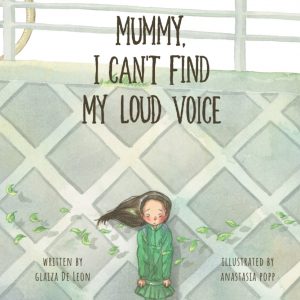
Let’s travel back in time to the year 2021 and begin with my debut children’s book, Mummy, I Can’t Find My Loud Voice. The inspiration for this story emerged from a heartfelt conversation I had with my eldest daughter, Abigail. She started kindergarten in the midst of a global pandemic, so let’s just say it wasn’t an ordinary start to her school years. On top of her already anxious nature, the instability of school (who remembers homeschooling for a while?) impacted her social interaction and being able to talk to her school friends. 

One day, she came home from school with tears streaming down her face. As she leaned her head against my chest, she wept, “Mummy, I can’t find my loud voice. It goes super quiet when I talk to my friends. No-one can hear me, not even me.” To say my heart crushed is an understatement.

I reflected on the words that came directly from her mouth, thinking and thinking, how can I help my daughter navigate her deep emotions? We both had a love of reading bedtime stories together, and I have always loved writing. It was something I’d do in my spare quiet moments – nestled away, writing my thoughts onto pages.

So I decided to do the same with Abigail’s thoughts. That very same night, I wrote my first draft of the book. After reading it to Abigail, I could see the sparkle in her eyes, and she was the one who encouraged me to turn it into a real book to help other kids experiencing the same emotions and struggles as her.

And the rest is history.

How grateful I am  that I took my then 5-year-old daughter’s advice. Who would have known my dream of becoming a published author would finally become a reality with the encouragement and support of a young child?

Daisy’s Not-So-Ordinary Ordinary Day
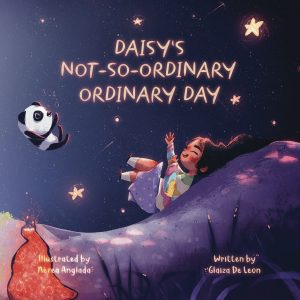
2 years after publishing my debut novel, I released my second book, Daisy’s Not-So-Ordinary Day dedicated to my daughter, Daisy.

Daisy is another bookworm in our household, inspiring me daily to read my treasured books and to keep writing. So it didn’t take very long at all for me to find inspiration for this book.

Observing Daisy’s sense of ‘boredom’ when everyone in the family were too busy to play with her led me to write a story that celebrates the power of imagination. My observations revealed that Daisy was never truly bored or alone – her imagination was her constant companion during those times, bringing everything within the four walls surrounding her to life. It reiterates that there is always time to spend together as a family by the end of each day.

When I wrote the first draft, I included her favourite toy, Pandy, in the story – she absolutely loved that it! Reading line after line, I could see the excitement in her eyes, the big curve in her smile.

I always test my manuscripts with my kids before choosing ‘the one’ and I knew after reading this to Daisy, that there would be no other story that would be perfectly for her. Daisy’s endless imagination inspired the words for Daisy’s Not-So’Ordinary Ordinary Day making it a fun and engaging read for many young children.

With this book, I knew it would be best told in rhyme. Writing in rhyme isn’t as easy as 1,2,3. There is so much involved, so it took a while to finetune the manuscript.

It makes my heart glow each time I read this book to other children, and they have the same excitement in their eyes.

A Bucketful of Tears
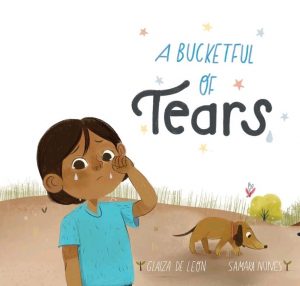
And finally, my most recently published book, A Bucketful of Tears dedicated to my youngest child, Jeremy. It was a little different this time around. I had several ideas in mind for his book. Sometimes, the inspiration comes right away, but for this one, I went back and forth on several concepts. I read each drafted manuscript to Jeremy every night, observing which story touched his heart the most. He said he loved them all (which made it harder for me to decide) until one evening, he made a firm decision on the manuscript he wanted me to bring to life.

And so A Bucketful of Tears came to be. Jeremy was 3 years old when I wrote it, centered around the theme of a young child trying to be independent, and the frustration and tears that come with trying and not getting the desired outcome. The story reminds children alike that even when things don’t go as planned, their best efforts are always enough. It beautifully illustrates the power of perseverance and importance of embracing kindness in our daily lives.

Now, a once constantly frustrated little Jeremy isn’t always upset when things don’t go as planned. The story has helped him to feel encouraged, inspired, and ready to face any challenge that comes his way – no matter the outcome.

I’m excited for this book to make its way to the bookshelves of many homes – hopefully bringing the same smile it brings to my son.

What’s Next?

As you’ve read, inspiration can come from anywhere, at any time. There’s no right or wrong when it comes to the ‘why’ behind each story. If you’ve ever wanted to write your own, just take a look around you and see what sparks an idea.

My next children’s book is still in the very early stages as my focus is firstly on my debut novel and continuing to share my most recent children’s book. All I can say is, it will be a very special story from the core of my heart.

Stay up to date on my latest works by following me on social media. You’ll get all the BTS there!

FAQs

Q: What’s the best way to find inspiration to write a book?

A: Read widely. Explore different genres and authors to expose yourself to various writing styles and ideas. The act of reading can often spark inspiration and ignite your creativity. If you’re writing a children’s book, make sure you read lots that are in trend, as well as classics. Understand writing in prose vs. rhyme and do your research.

Besides reading, make sure to engage with your surroundings – pay attention to the world around you. Draw inspiration from real-life experiences, conversations, and the emotions they evoke.

Q: What happens if you get writer’s block?

A: Firstly, understand that writer’s block is a common challenge that many writers face. One strategy to overcome it is to simply take a break. Step away from your writing for a short time. Engage in activities that you enjoy, and allow your mind to relax.

You can also change your environment. Switch up your writing space or find a new location to work in. A change of scenery can provide fresh inspiration and help break through mental blocks.

And lastly, you can try breaking down your writing into manageable tasks. Set specific, achievable goals for each writing session, such as writing a certain number of words or completing a scene. Focusing on smaller milestones can make the writing process less overwhelming and more motivating.

Q: How long does it take to write a book?

A: The time it takes to write a book can vary significantly depending on various factors, including the genre, complexity of the story, personal writing process, and available time for writing. Writing a book is a highly individualised process, and there is no fixed timeline.

Some authors may complete a first draft in a matter of months, while others may take years to finish a book. After the initial draft, additional time is typically required for revising, editing, and polishing the manuscript, especially for novels.

It’s important to set realistic expectations and understand that writing a book is a journey that requires dedication, persistence, and patience. Focus on establishing a consistent writing routine and making steady progress, rather than being solely fixated on the timeframe.

Posted on Leave a comment

What I’ve Learned from My Author Visits at Daycare Centres and Schools

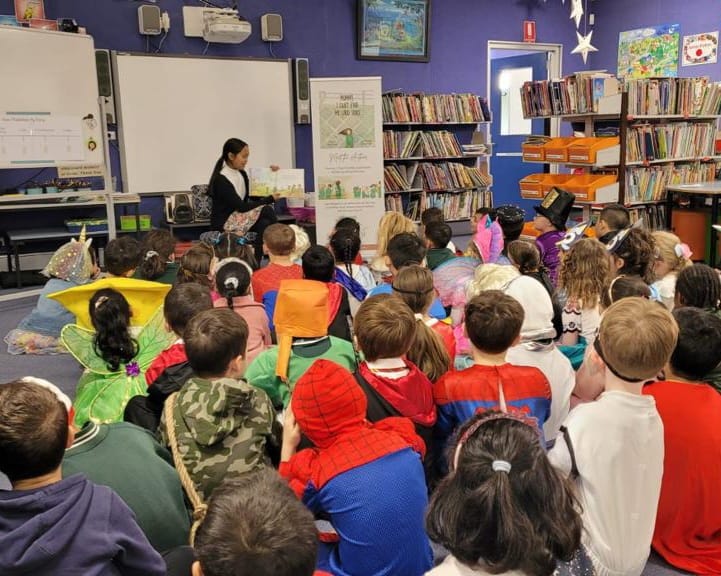
As an author, visiting daycare centres and schools has been an enlightening journey, filled with unexpected lessons and gratifying moments. These visits have not only given me the opportunity to engage with my youngest readers but also provided me with invaluable insights into the world of early education and child development. Here are some of the key takeaways from my experiences.

A Glimpse into Young Minds

The Power of Storytelling
Children’s love for stories has been evident in every classroom I’ve visited. Storytelling is a way for kids to explore emotions, understand complex concepts, and connect with the world around them.

Questions That Spark Creativity
During Q&A sessions, the questions children ask are a testament to their boundless imagination. They often surprise me with their insightful questions. They view stories through a lens of pure curiosity. Their fresh perspectives on things have taught me to see the world through their eyes – a place where every little detail can spark wonder.

The Role of Books in Early Education

A Tool for Learning
Educators use books as versatile tools for teaching language, but also for topics like kindness and empathy. I’ve seen first-hand how a well-told story can make learning engaging and memorable.

Diversity and Representation Matter
When I read one of my books with a character from a diverse cultural background, I witness the excitement of children seeing themselves reflected in the pages. It’s a powerful reminder that representation in children’s literature is crucial for fostering a sense of inclusion and belonging, especially in Australia where different backgrounds shape our country.

The Ripple Effect of Author Visits

Igniting Imagination
One of the most rewarding aspects of my visits is watching young eyes light up with the realisation that they, too, could create their own stories. It’s a privilege to plant seeds of creativity that could one day grow into their own books. I’ve had several children approach me in excitement as they share their goal of publishing their very own book one day.

Bridging Gaps
Each visit reaffirms the importance of personal connection between authors and readers. In a digital age, the human element of a live reading or a face-to-face conversation is irreplaceable and can be the bridge that connects a child to the love of reading.

The Joy of Shared Reading
Group readings have shown me the collective joy that comes from experiencing a story together. This shared joy is a powerful tool in not only encouraging individual readers but in building a community of book lovers.

The Bigger Picture

Supporting Educators
Through conversations with teachers and staff, I’ve gained a deeper appreciation for the role authors can play in supporting educators. Whether it’s providing resources or crafting stories that align with curricular goals, there is much we can do to contribute.

The Lasting Impact
Perhaps the most profound lesson has been recognising the lasting impact these visits can have. Long after the day’s excitement fades, the stories and discussions often linger in children’s minds, shaping their perceptions and understanding of the world.

The Takeaway: A Shared Journey

Each visit to a daycare centre or school is a reminder that books are just the beginning of the story. The real magic happens in the interaction—between author and reader, story and listener, imagination and reality. As I continue this journey, I am grateful for the lessons learned and excited for the stories yet to be told, both by me and by the future authors sitting cross-legged before me, eyes wide with wonder.

If you’re an educator or teacher looking to spark a love of reading in your classroom, I invite you to reach out and book an author visit. Simply email hello@myreadingbubble.com.au and we’ll go from there! Let’s embark on this literary adventure together, fostering the next generation of readers and thinkers.

FAQs

Q: How can I arrange a local author visit?

A: We provide free local author visits if your school or daycare centre is in Western Sydney (select suburbs). Please email hello@myreadingbubble.com.au for more information on available dates and requirements. We recommend booking at least 2 weeks in advance of your desired date.

Q: What are the benefits of hosting a local author visit?

A: Hosting a local author visit has several benefits. It provides an opportunity for the community to engage with a local literary figure, fostering a sense of connection and inspiration. Author visits can also promote a love for reading, especially among young readers.

Q:  Do you sell signed copies of your books during an author visit?

A: Yes, selling books during an author visit is a common practice and can be an excellent opportunity to promote reading. However, instead of selling copies on the day of the visit, we send out an order form in advance so parents can pre-order ahead of time. The purchased copies are then provided on the day of the visit.

Posted on Leave a comment

Why Encouraging a Love of Reading in Children is Essential

As parents, we often wonder about the best ways to set our children up for a successful and fulfilling life. While there are many skills and lessons we aim to teach, one stands out for its profound impact on a child’s growth and development: the love of reading. So, why should you encourage a love of reading for your children? Reading is more than just reading words from a page, let’s discuss some of the benefits.

Developing Empathy and Emotional Intelligence

Through stories, children learn to empathise with characters, understanding their feelings and perspectives. This may start subconsciously until they become more and more aware of these feelings. This translates into real-world emotional intelligence, as young readers are better equipped to understand and relate to others’ emotions in varying scenarios.

Connecting with the World

Books are windows to different cultures, times, and experiences. Children who read about these topics learn about diversity and the world around them, gaining a richer, more inclusive perspective on life.

Setting the Stage for Lifelong Learning

When children develop a love for reading, they lay the groundwork for continuous self-education. The curiosity sparked by books can lead to a habit of seeking knowledge, which is invaluable in an ever-changing world.

Creating a Reading-Friendly Environment at Home

For reading to become a staple in your home, it needs to be fun. Create a cosy reading nook, let your child choose their books, and set aside time each day for reading together. A bedtime story is an easy way to slot in reading time, and it becomes a much-loved and awaited nightly routine. 

Though e-books are convenient, there’s magic in physical books—the feel, the smell, and the act of turning pages all contribute to a child’s reading experience.

Choosing the Right Material: Engaging Young Minds

It’s crucial to choose books that match your child’s reading level and interests. This ensures they are both challenged and captivated by what they read.

Why not encourage them to write down their very own To Be Read (TBR) list on a little notepad? Whenever you’re at the bookstore or library, they can bring the notepad along and add titles to the list.

Although your child may have a favourite book series, incorporating a variety of genres, authors, and subjects can help broaden your child’s understanding and keep their interest in reading alive.

Rotate favourite books and add new ones to the mix. That way, they’re still able to get lost in their favourites as well as discover new stories.

Your Role in Your Child’s Reading Journey

In summary, encouraging a love of reading in your children is one of the most powerful ways to contribute to their intellectual, emotional, and social development. As a parent, you have the unique opportunity to guide them through a world of words and wonders—a journey that will benefit them for the rest of their lives.

If you’re ready to take the next step and cultivate a reader at home, start by exploring our curated selection of children’s books at My Reading Bubble. Remember, every page turned is a new adventure for your child, and you have the best seat in the house to watch them explore.

Happy reading!

FAQs

Q: How can I encourage my child to read more?

A: Make reading a daily habit, involve them in choosing books, and lead by example – let them see you read.

Q: What if my child doesn’t like reading?

A: Find books that align with their interests, whether it’s space, dinosaurs, nature, or funny characters. Graphic novels or interactive books might also pique their interest.

Q: At what age should I start reading to my child?

A: It’s never too early to start reading to your child. Even infants can benefit from hearing stories and looking at pictures.